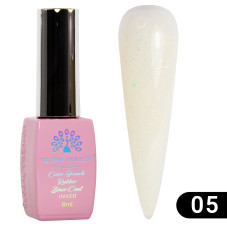
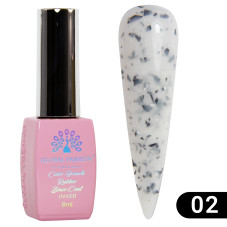
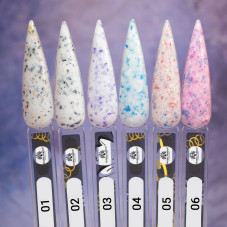
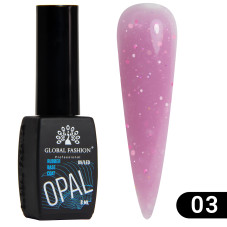
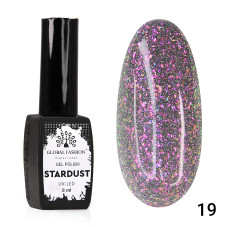
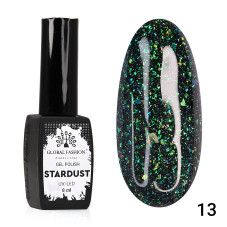
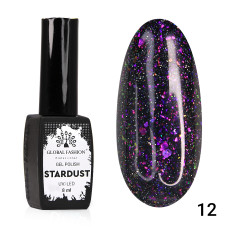
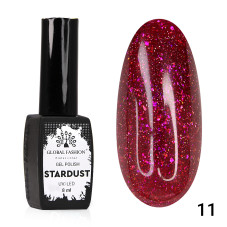
Filters
Color
Density
Effect
No matching products found
Sterilization of tools is an essential step in the nail extension process. It is important to maintain a clean and sterile environment to prevent the spread of infections and diseases.
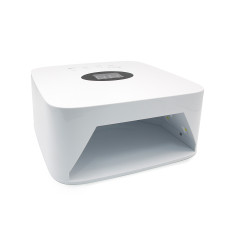
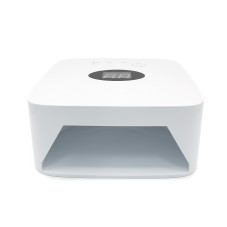
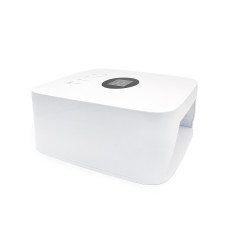
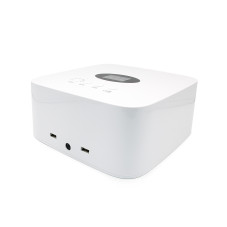
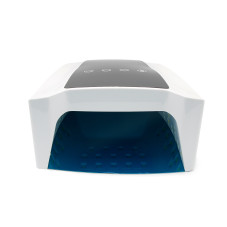
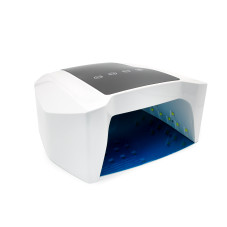
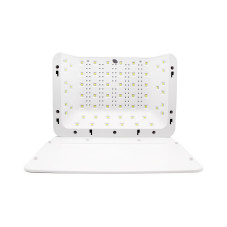
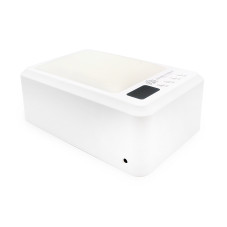
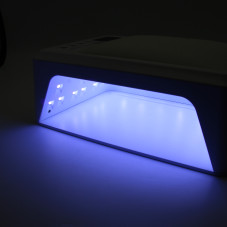
There are several different ways to sterilize tools, including heat sterilization, chemical sterilization, and UV sterilization. Heat sterilization involves using high temperatures to kill off any bacteria or viruses on the tools. This can be done using an autoclave or boiling water. Chemical sterilization involves using specific chemicals, such as hydrogen peroxide and bleach, to kill off any microorganisms. UV sterilization uses ultraviolet rays to kill off any bacteria or viruses on the tools.
It is important to follow the correct sterilization procedures to ensure that the tools are completely clean and sterile. Before sterilizing the tools, they should be cleaned thoroughly to remove any dirt or debris. This can be done using soap and water, or a specific cleaning solution designed for nail tools.
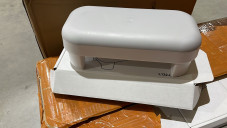
Once the tools have been cleaned, they should be placed in the sterilization device and the appropriate sterilization process should be used. It is important to make sure that the tools are completely covered and immersed in the sterilizing solution to ensure complete sterilization.
After the tools have been sterilized, they should be kept in a clean, dry environment until they are ready to be used. It is also essential to make sure that the tools are stored properly to prevent any contamination.
Regular sterilization of tools is necessary to prevent the spread of infections and diseases. It is important to follow the correct sterilization procedures to ensure that the tools are completely clean and sterile. By taking the time to properly sterilize your tools, you can ensure a safe and healthy nail extension process for you and your clients.